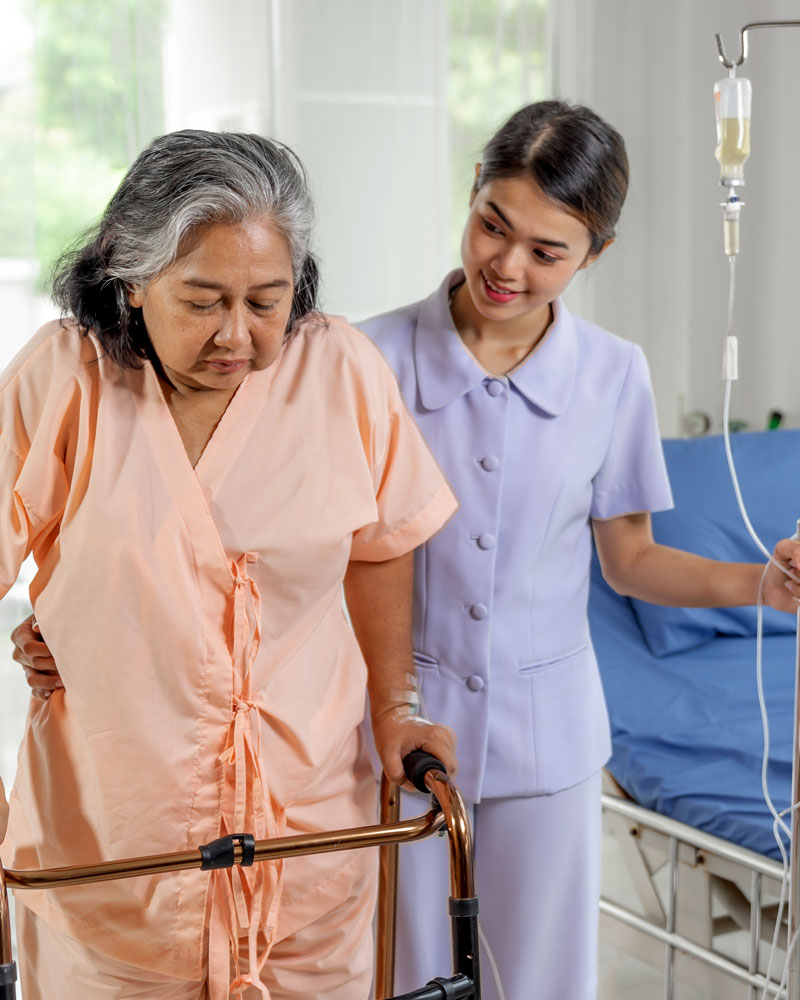
- Understanding the Foundation of Cancer Treatment
- Surgery: Removing Cancer from the Body
- Radiation Therapy: Targeted Energy Treatment
- Systemic Therapy: Treating Cancer Throughout the Body
- How Doctors Decide the Right Treatment Plan
- Why Combination Treatments Are Often Needed
- The Patient-Centered Approach in Cancer Care
- How Guided Healthcare Support Makes a Difference
- Multi-Specialty Care for Comprehensive Treatment
- The Importance of Transparent and Guided Decisions
- Conclusion
- 1. What are the main cancer treatment procedures?
- 2. When is surgery used for cancer treatment?
- 3. How does radiation therapy help in cancer treatment?
- 4. What is systemic therapy in cancer treatment?
- 5. How do doctors decide the right cancer treatment plan?
Cancer Treatment Procedures Explained : Complete Modern Guide
Cancer treatment is not based on a single fixed method. It is a carefully planned medical process that depends on the type of cancer, its location in the body, how much it has spread, and the overall health condition of the patient. In modern healthcare, treatment is designed to either remove cancer, destroy cancer cells, control their growth, or manage symptoms in a way that improves quality of life.
In many cases, patients also explore advanced and cost-effective care options, including specialized services like Oncology Treatment in India | Affordable Cancer Care, which provide access to modern treatment approaches with expert medical support.
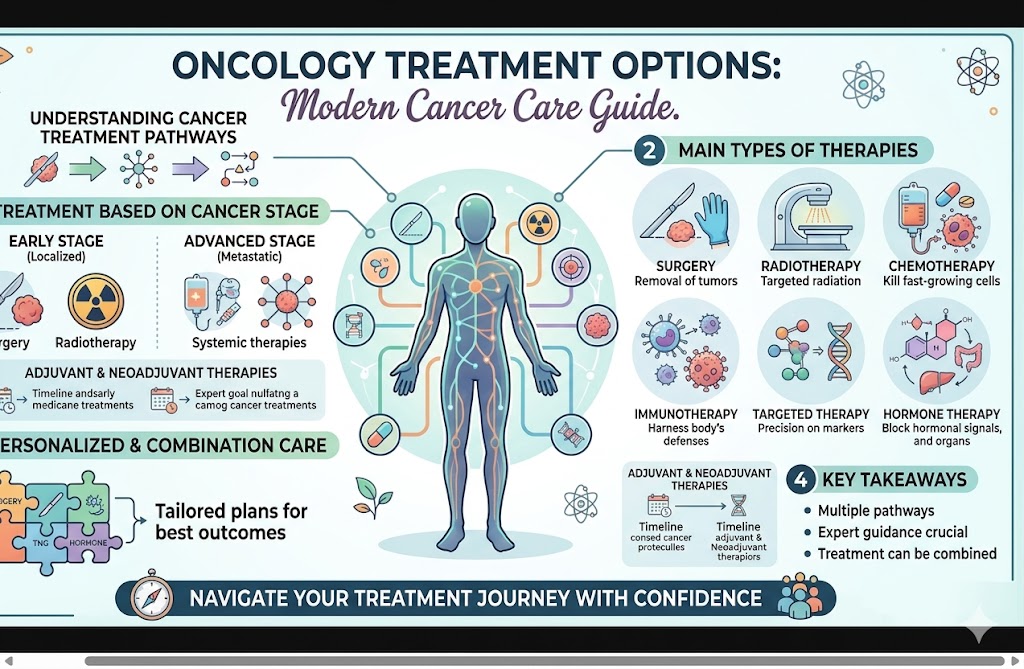
In this guide, we will explain the three main types of cancer treatment procedures in a clear and simple way: surgery, radiation therapy, and systemic therapy. You will also understand how doctors decide the right treatment plan and why many patients may receive more than one type of therapy during their care journey.
This blog is written to help patients and families understand cancer treatment in a more structured and less confusing way, so they can feel more confident while making medical decisions
Understanding the Foundation of Cancer Treatment
Cancer treatment is not based on a single fixed method. It is a carefully planned medical process that depends on the type of cancer, its location in the body, how much it has spread, and the overall health condition of the patient. In modern healthcare, treatment is designed to either remove cancer, destroy cancer cells, control their growth, or manage symptoms in a way that improves quality of life.
Along with choosing the right treatment approach, cost is also an important concern for many families. Understanding the financial aspect helps patients plan their treatment journey better and make informed decisions about available options such as Cancer Treatment Cost in India: Complete Guide to Expenses and Care, which explains the overall pricing structure and factors affecting treatment expenses in detail.
In this guide, we will explain the three main types of cancer treatment procedures in a clear and simple way: surgery, radiation therapy, and systemic therapy. You will also understand how doctors decide the right treatment plan and why many patients may receive more than one type of therapy during their care journey.
Surgery: Removing Cancer from the Body
Surgery is one of the most direct ways to treat cancer. In this procedure, the cancerous tissue is physically removed from the body. This method is generally used when the cancer is located in one specific area and can be safely taken out without affecting important organs or body functions.
The main objective of surgery is to completely remove the tumor along with a small surrounding area of healthy tissue. This surrounding area is important because it helps ensure that no cancer cells are left behind. This extra tissue is often referred to as a safety margin, and removing it reduces the risk of cancer returning in the future.
Surgery is usually recommended when:
- Cancer is limited to one area of the body
- The tumor can be safely removed
- Nearby organs or tissues are not at high risk during removal
However, surgery alone may not always be enough. In some cases, even after removing the visible tumor, there may still be microscopic cancer cells in the body. That is why surgery is often combined with other treatments.
Radiation Therapy: Targeted Energy Treatment
Radiation therapy is another major cancer treatment method. Instead of physically removing cancer, this approach uses high-energy rays to destroy cancer cells. These rays damage the genetic material inside the cancer cells, stopping them from growing and dividing.
This treatment is especially useful when cancer is located in an area that is difficult to reach through surgery or when surgery could cause damage to nearby vital tissues.
Radiation therapy can be used in several ways:
- As a primary treatment for certain cancers
- Before surgery to shrink tumors and make removal easier
- After surgery to destroy any remaining cancer cells
- Along with other treatments for improved effectiveness
One of the important advantages of radiation therapy is its precision. It can be focused on a specific part of the body, which helps reduce damage to surrounding healthy tissues.
Radiation is commonly chosen when the cancer is localized but not suitable for surgical removal due to its location or complexity.
Systemic Therapy: Treating Cancer Throughout the Body
Systemic therapy refers to cancer treatments that work throughout the entire body. Unlike surgery or radiation, which focus on a specific area, systemic therapy travels through the bloodstream to reach cancer cells wherever they may be present.
This form of treatment includes several types of medicine-based therapies, such as:
- Chemotherapy
- Immunotherapy
- Targeted therapy
- Hormone-based therapy
Systemic therapy is especially important in cases where cancer has spread beyond its original location or has a high risk of spreading.
It is commonly used when:
- Cancer affects multiple areas of the body
- Cancer is present in the blood or lymphatic system
- Surgery or radiation alone is not enough
- There is a risk of hidden cancer cells remaining after local treatment
Systemic therapy can also be used after surgery or radiation to reduce the chances of cancer returning. Since it works throughout the body, it helps target cancer cells that may not be visible through scans or tests.
How Doctors Decide the Right Treatment Plan
Cancer treatment is never the same for every patient. Each case is unique, and treatment decisions are made after carefully studying multiple factors.
Doctors consider:
- The type and location of cancer
- The stage of cancer (how much it has spread)
- The patient’s overall health condition
- The biological characteristics of the cancer
- The main goal of treatment (cure, control, or symptom relief)
Based on these factors, doctors may recommend one treatment method or a combination of several approaches.
For example:
- Surgery may be used first to remove a tumor
- Radiation may be added to eliminate remaining cancer cells
- Systemic therapy may follow to control cancer throughout the body
This combined approach helps improve treatment success and reduces the risk of cancer returning.
Why Combination Treatments Are Often Needed
In many cases, a single treatment method is not enough to fully manage cancer. That is why doctors often use a combination of surgery, radiation, and systemic therapy.
Each method plays a different role:
- Surgery removes visible tumors
- Radiation destroys cancer in a targeted area
- Systemic therapy treats cancer throughout the body
When used together, these treatments provide a more complete approach to cancer care. The sequence of treatments may also change depending on the patient’s condition. Sometimes therapy is given before surgery to shrink the tumor, and sometimes it is given after surgery to prevent recurrence.
This flexible approach allows healthcare providers to customize treatment plans for better outcomes.
The Patient-Centered Approach in Cancer Care
Modern cancer treatment is not only about medical procedures. It is also about communication, guidance, and continuous support throughout the journey.
Every patient’s situation is different, and treatment plans must be explained clearly so that patients and families can understand their options. Emotional support and guidance are equally important, as cancer treatment can often feel overwhelming.
Patients are encouraged to ask questions, understand their treatment steps, and actively participate in decision-making along with their healthcare team.
How Guided Healthcare Support Makes a Difference
Navigating cancer treatment can be complex. From diagnosis to selecting the right treatment and coordinating with specialists, patients often face multiple challenges.
This is where structured healthcare support becomes important. Platforms like Big Hope Medicare help patients connect with trusted specialists and access clear, reliable treatment guidance.
Through a coordinated approach, patients can receive:
- Assistance in finding the right specialists
- Clear explanation of treatment options
- Support in understanding medical reports
- Help with appointment scheduling
- Guidance throughout the treatment journey
The goal is to ensure that patients do not feel alone during their treatment process and always have access to informed medical support.
For more details, patients can visit the official platform: Big Hope Medicare
Multi-Specialty Care for Comprehensive Treatment
Cancer care often requires collaboration across multiple medical specialties. In addition to oncology, patients may need support from other fields depending on their condition and treatment side effects.
A well-structured healthcare network can also support patients in areas such as:
- Neurological care for brain and nervous system involvement
- Orthopedic support for bone-related complications
- Cardiac care when heart health monitoring is required
- Kidney or liver support in advanced cases
- Fertility-related guidance when needed
- Surgical and reconstructive care for recovery
This multi-specialty approach ensures that every aspect of patient health is addressed during treatment, not just the cancer itself.
The Importance of Transparent and Guided Decisions
One of the most important parts of cancer treatment is making informed decisions. Patients and families must understand:
- Why a specific treatment is recommended
- What benefits and risks are involved
- How long treatment may take
- What recovery might look like
When patients have clear information, they can feel more confident and involved in their care journey. Transparency also helps build trust between patients and healthcare providers.
Conclusion
Cancer treatment is a structured and carefully planned process that involves different methods depending on the condition of the patient. Surgery focuses on removing cancer from a specific area, radiation therapy targets cancer cells using high-energy rays, and systemic therapy works throughout the body to control or destroy cancer cells.
In many cases, these treatments are combined to achieve better results. The final treatment plan depends on several factors, including cancer type, stage, and overall patient health.
With proper guidance, clear communication, and coordinated care, patients can navigate their treatment journey with more confidence and less confusion. Support systems like Big Hope Medicare play an important role in connecting patients with the right specialists and ensuring a smoother healthcare experience.
Cancer treatment is not just about medical procedures—it is about informed decisions, continuous support, and a patient-centered approach that prioritizes care, clarity, and hope throughout the journey.
Frequently Asked Questions (FAQs)
1. What are the main cancer treatment procedures?
Answer:
The main cancer treatment procedures include surgery, radiation therapy, and systemic therapy. Surgery removes cancer from a specific area, radiation therapy uses high-energy rays to destroy cancer cells, and systemic therapy uses medicines like chemotherapy, immunotherapy, targeted therapy, or hormone therapy to treat cancer throughout the body.
2. When is surgery used for cancer treatment?
Answer:
Surgery is used when cancer is located in one area and can be safely removed. Doctors also remove a small margin of healthy tissue around the tumor to ensure no cancer cells remain. It is often chosen when the goal is complete removal of localized cancer without affecting vital organs.
3. How does radiation therapy help in cancer treatment?
Answer:
Radiation therapy uses high-energy radiation, such as X-rays, to kill cancer cells in a specific area. It is used when surgery is difficult or risky, and also before or after surgery to shrink tumors or destroy remaining cancer cells. It helps improve treatment accuracy and reduce recurrence risk.
4. What is systemic therapy in cancer treatment?
Answer:
Systemic therapy refers to medicines that travel through the bloodstream to treat cancer throughout the body. It includes chemotherapy, immunotherapy, targeted therapy, and hormone therapy. It is used when cancer has spread or may spread, and it can also support surgery or radiation by eliminating hidden cancer cells.
5. How do doctors decide the right cancer treatment plan?
Answer:
Doctors decide the treatment plan based on cancer type, stage, location, and patient health. They may use one or a combination of surgery, radiation therapy, and systemic therapy. The goal may be to cure cancer, control its growth, or manage symptoms, depending on the individual case.
Here is a complete SEO-optimized image set for your blog: