- Understanding Targeted Therapy in Cancer Treatment
- How Cancer Develops
- What Are Cancer Targets?
- Why Testing Is Necessary Before Targeted Therapy
- Why Some Cancers Have More Targeted Therapy Options Than Others
- What Is Targeted Therapy?
- How Targeted Therapy Works
- Different Forms of Targeted Therapy
- How Targeted Therapy Differs from Traditional Chemotherapy
- Potential Side Effects of Targeted Therapy
- Skin Changes
- Diarrhea
- Fatigue
- Blood Pressure Changes
- Managing Side Effects During Treatment
- The Importance of Personalized Cancer Care
- How BigHope Medicare Supports Patients Seeking Advanced Cancer Treatment
- Final Thoughts
Targeted Therapy for Cancer: Complete Guide.
Understanding Targeted Therapy in Cancer Treatment
Cancer treatment has evolved significantly over the years. While traditional treatment methods remain important, advancements in medical science have introduced more precise approaches designed to focus directly on the unique characteristics of cancer cells. One such advancement is targeted therapy cancer treatment.
Targeted therapy is a specialized form of cancer treatment that focuses on specific features within cancer cells that help them grow, multiply, and survive. Instead of affecting a broad range of rapidly growing cells, this treatment aims to identify and attack particular biological mechanisms responsible for cancer progression.
For many patients, targeted therapy represents a more personalized treatment approach that can help improve outcomes while reducing the impact on healthy tissues. Understanding how this treatment works can help patients and families make informed decisions about their cancer care journey. Along with understanding treatment options, many patients also want clarity about the financial aspects of care. Learning about the cost of cancer treatment in India can help individuals and families plan their treatment journey more effectively and make informed healthcare decisions.
How Cancer Develops
To understand targeted therapy, it is helpful to first understand how cancer develops.
The human body contains millions of cells that perform specialized functions. These cells work together to form organs, tissues, and body systems. Every cell contains DNA, which acts as a set of instructions controlling how the cell grows, functions, and reproduces.
Over time, some cells may experience damage to their DNA. When certain changes occur, affected cells can begin to grow and divide uncontrollably. Instead of following the body's normal growth regulations, these abnormal cells continue multiplying and can eventually form cancer. As cancer diagnosis and treatment become increasingly advanced, many patients also seek information about affordable medical treatment in India to access quality healthcare while managing treatment expenses effectively.
Cancer cells differ from healthy cells in several important ways. Scientists have discovered that many cancer cells possess unique characteristics that drive their uncontrolled growth. These characteristics are often referred to as "targets."
What Are Cancer Targets?
Targets are specific features found within or on cancer cells that contribute to cancer development and survival.
These targets may include:
- Proteins located inside cancer cells
- Proteins found on the cell surface
- Genetic changes within DNA
- Other molecules that support cancer cell growth and multiplication
These targets act like critical control points that allow cancer cells to continue growing. When these mechanisms remain active, cancer cells can survive, spread, and resist normal cellular controls.
Identifying these targets is one of the most important steps in determining whether targeted therapy may be a suitable treatment option.
Why Testing Is Necessary Before Targeted Therapy
Not every cancer contains the same targets. For this reason, doctors typically perform specialized testing before recommending targeted therapy.
The testing process often involves obtaining a small sample of cancer tissue through a biopsy. In some cases, blood samples may also be used to gather additional information.
These samples are analyzed in a laboratory to identify specific genetic changes, proteins, or other molecular features that may be responsible for cancer growth.
The results help determine:
- Whether a target is present
- Which target is driving the cancer
- Whether a targeted therapy is available for that specific target
- Which treatment may offer the greatest benefit
This personalized approach helps ensure that treatment is selected based on the individual characteristics of the patient's cancer rather than using a one-size-fits-all strategy.
Why Some Cancers Have More Targeted Therapy Options Than Others
Medical research continues to uncover new cancer targets every year. However, scientists have not yet identified every target involved in cancer growth.
As a result, some cancers currently have more targeted treatment options than others.
When researchers identify specific genetic changes or proteins that play a major role in cancer development, new medications can be designed to address those targets directly. Cancers with a greater number of known targets often have a wider range of targeted therapy options available.
As scientific understanding continues to expand, more targeted treatments are expected to become available for additional cancer types in the future.
What Is Targeted Therapy?
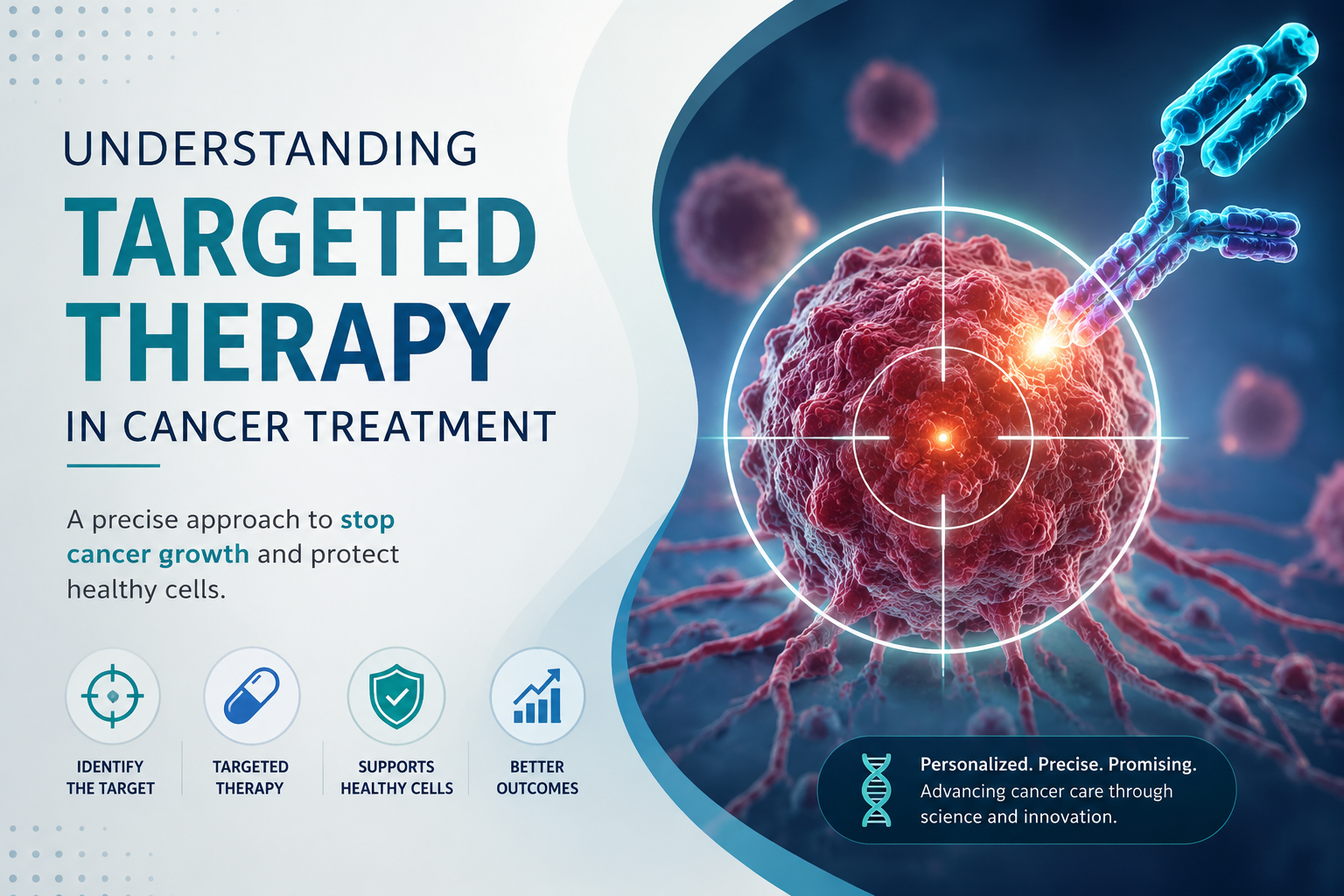
Targeted therapy is a type of cancer treatment that uses specially designed medications to identify and attack specific targets found in cancer cells.
Unlike conventional treatment approaches that may affect many rapidly dividing cells throughout the body, targeted therapy focuses on precise biological features that are unique to cancer cells.
The goal is to interfere with the signals that tell cancer cells to grow, divide, and survive.
By disrupting these signals, targeted therapy can slow cancer growth, stop cancer progression, and help the body eliminate cancer cells more effectively.
How Targeted Therapy Works
A simple way to understand targeted therapy is to imagine cancer targets as locks and targeted therapy medications as keys.
The target acts as a lock that allows cancer growth signals to continue operating. The targeted therapy medication is designed to fit that specific lock.
When the medication attaches to the target, it blocks the signals that encourage cancer cells to grow and multiply.
Once these signals are interrupted:
- Cancer cell growth slows down
- Cell division is reduced
- Cancer survival mechanisms are weakened
- The body's natural defenses may work more effectively against cancer
This targeted action helps control the disease while minimizing unnecessary damage to surrounding healthy tissues.
Different Forms of Targeted Therapy
Targeted therapy medications are available in different forms depending on the treatment plan and the specific target being addressed.
Some targeted therapies are taken as oral medications, allowing patients to take treatment by mouth.
Others are administered through an intravenous (IV) line under medical supervision.
The choice of treatment depends on several factors, including:
- The type of cancer
- The identified target
- The patient's overall health
- The treatment goals
Healthcare specialists carefully evaluate these factors before creating an individualized treatment plan.
How Targeted Therapy Differs from Traditional Chemotherapy
One of the most important differences between targeted therapy and traditional chemotherapy is the level of precision involved.
Traditional chemotherapy works by attacking rapidly dividing cells throughout the body. While effective against cancer, it can also affect healthy cells that naturally grow and divide quickly.
Targeted therapy takes a more focused approach.
Rather than affecting a broad range of cells, it aims to identify specific cancer-related targets and interfere directly with those mechanisms.
This precision often allows healthy cells to be spared to a greater extent, which may contribute to improved tolerability for some patients.
However, targeted therapy is not entirely selective. Certain normal cells and organs can still be affected, which is why monitoring remains an important part of treatment.
Potential Side Effects of Targeted Therapy
Although targeted therapy is generally considered well tolerated, side effects can still occur.
The exact side effects vary depending on the medication being used and the target being treated.
Some commonly reported side effects include:
Skin Changes
Skin-related reactions such as rashes can occur during treatment. These reactions may range from mild irritation to more noticeable skin changes.
Diarrhea
Digestive symptoms, including diarrhea, may develop in some patients and may require supportive treatment.
Fatigue
Many patients report tiredness or reduced energy levels during treatment. Fatigue can vary from mild to significant depending on individual circumstances.
Blood Pressure Changes
Certain targeted therapies may influence blood pressure levels, making regular monitoring important throughout treatment.
Because different targeted therapies work in different ways, the complete list of possible side effects can be extensive.
Managing Side Effects During Treatment
Effective side effect management plays a critical role in maintaining quality of life during cancer treatment.
Patients should communicate openly with their healthcare team about any symptoms they experience.
Supportive care strategies may include:
- Prescription medications
- Topical creams
- Lifestyle adjustments
- Nutritional guidance
- Symptom management programs
- Ongoing monitoring and follow-up care
Early reporting of symptoms often allows healthcare teams to address concerns before they become more serious.
The goal is to keep patients as comfortable as possible while ensuring treatment continues safely and effectively.
The Importance of Personalized Cancer Care
Every cancer diagnosis is unique, and every patient's treatment journey is different.
Targeted therapy highlights the growing importance of personalized medicine in cancer care. Instead of relying solely on the location of the cancer, treatment decisions increasingly consider the specific biological characteristics of the disease.
This individualized approach can help healthcare teams:
- Select more appropriate treatments
- Improve treatment effectiveness
- Reduce unnecessary exposure to therapies unlikely to help
- Provide more tailored patient care
As cancer research continues to advance, personalized treatment strategies are expected to play an even greater role in future cancer care.
How BigHope Medicare Supports Patients Seeking Advanced Cancer Treatment
Receiving a cancer diagnosis can feel overwhelming, especially when faced with complex treatment decisions. Understanding treatment options such as targeted therapy often requires guidance from experienced specialists and access to advanced diagnostic services.
At BigHope Medicare, we help patients navigate this process with confidence.
Our team acts as a bridge between patients and experienced medical specialists, helping individuals access accurate diagnoses, expert consultations, and advanced treatment options. We understand that every cancer case is different, which is why we focus on providing personalized guidance throughout the treatment journey.
Through our verified hospital network and dedicated care coordination support, we assist patients with:
- Understanding available treatment options
- Connecting with appropriate oncology specialists
- Appointment scheduling support
- Treatment planning guidance
- Cost and treatment comparisons
- Ongoing patient assistance throughout the care journey
Our commitment is to ensure that patients receive transparent information and trusted support at every stage of treatment.
Final Thoughts
Targeted therapy cancer treatment represents a significant advancement in modern oncology. By focusing on specific features that drive cancer growth, this treatment offers a more precise approach compared to many traditional methods.
Before treatment begins, specialized testing helps identify whether suitable targets are present. When an appropriate target is found, targeted therapy can interfere with cancer growth signals, helping control the disease while generally affecting fewer healthy cells.
Although side effects can occur, they are often manageable with proper medical guidance and supportive care. Most importantly, targeted therapy demonstrates how personalized medicine is transforming cancer treatment by tailoring therapies to the unique characteristics of each patient's cancer.
If you or a loved one is exploring advanced cancer treatment options, obtaining expert guidance and understanding all available choices is an important first step toward informed and confident decision-making.
FAQs:
Question: What is targeted therapy in cancer treatment?
Answer:
Targeted therapy is a type of cancer treatment that uses drugs designed to identify and attack specific proteins, genes, or molecular changes that help cancer cells grow and survive. Unlike traditional chemotherapy, targeted therapy focuses on precise cancer cell targets, making treatment more personalized and potentially reducing damage to healthy cells.
Question: How do doctors determine if targeted therapy is right for a patient?
Answer:
Before starting targeted therapy, doctors perform specialized tests using a biopsy or blood sample to identify specific genetic mutations, proteins, or molecular targets within the cancer. If suitable targets are found, targeted therapy may be recommended as part of a personalized cancer treatment plan.
Question: How does targeted therapy stop cancer growth?
Answer:
Targeted therapy works by blocking the signals that cancer cells use to grow, divide, and spread. The medication attaches to specific targets within or on cancer cells, disrupting important cellular pathways and helping slow or stop cancer progression while supporting the body's natural defense mechanisms.
Question: What are the common side effects of targeted therapy?
Answer:
Common side effects of targeted therapy may include skin rashes, diarrhea, fatigue, and changes in blood pressure. The severity and type of side effects vary depending on the specific targeted therapy drug. Most side effects can be managed with supportive care, medications, and regular medical monitoring.
Question: Is targeted therapy safer than chemotherapy?
Answer:
Targeted therapy is generally considered more precise than chemotherapy because it focuses on specific cancer-related targets rather than affecting many rapidly dividing cells throughout the body. While side effects can still occur, targeted therapy often causes fewer treatment-related complications and may be better tolerated by some patients.