- Types of Cancer Treatment: Understanding Treatment Choices
- Introduction
- Why Cancer Treatment Plans Differ for Every Patient
- Main Types of Cancer Treatment
- Chemotherapy
- How Chemotherapy Is Given
- Goals of Chemotherapy
- Immunotherapy
- How Immunotherapy Works
- Benefits of Immunotherapy
- Targeted Therapy
- How Targeted Therapy Works
- Goals of Targeted Therapy
- Supportive Treatment
- Purpose of Supportive Treatment
- The Importance of Treatment Protocols
- Ongoing Assessments During Treatment
- Reporting Side Effects and Treatment Challenges
- Choosing the Right Treatment Approach
- How BigHope Medicare Supports Patients
- Conclusion
- Frequently Asked Questions (FAQs)
- 1. What are the main types of cancer treatment?
- 2. How does chemotherapy work in cancer treatment?
- 3. What is the difference between immunotherapy and chemotherapy?
- 4. What is targeted therapy in cancer treatment?
- 5. What is the role of supportive treatment in cancer care?
Types of Cancer Treatment: Understanding Treatment Choices
Introduction
A cancer diagnosis often brings many questions, and one of the most common is understanding the different types of cancer treatment available. Every patient's condition is unique, which means treatment plans are carefully selected based on individual needs, medical assessments, and treatment goals.
Modern cancer care has evolved significantly over the years. Today, patients may receive different forms of treatment designed to destroy cancer cells, slow disease progression, support the body's natural defenses, and improve overall quality of life during treatment. Understanding these treatment options can help patients and families feel more informed and confident when discussing care plans with their medical team.
For patients seeking advanced and affordable care options, exploring [Oncology Treatment in India | Affordable Cancer Care] can provide valuable insight into modern treatment facilities, specialist care, and accessible cancer management solutions.
At BigHope Medicare, we understand that navigating cancer treatment can feel overwhelming. Our role is to help patients access trusted medical guidance, connect with experienced specialists, and understand the available treatment options so they can make informed healthcare decisions.
Why Cancer Treatment Plans Differ for Every Patient
No two cancer cases are exactly the same. Factors such as the type of cancer, its location, its stage, and the patient's overall health can influence treatment decisions.
Healthcare specialists typically develop treatment plans based on established protocols and treatment regimens. These protocols are designed to provide the most appropriate treatment approach for a particular condition while ensuring patient safety and treatment effectiveness.
During consultations, patients are given detailed information about their recommended treatment plan, expected outcomes, possible side effects, and ongoing monitoring requirements. Regular assessments help ensure that treatment continues to meet the patient's needs throughout their journey.
Main Types of Cancer Treatment
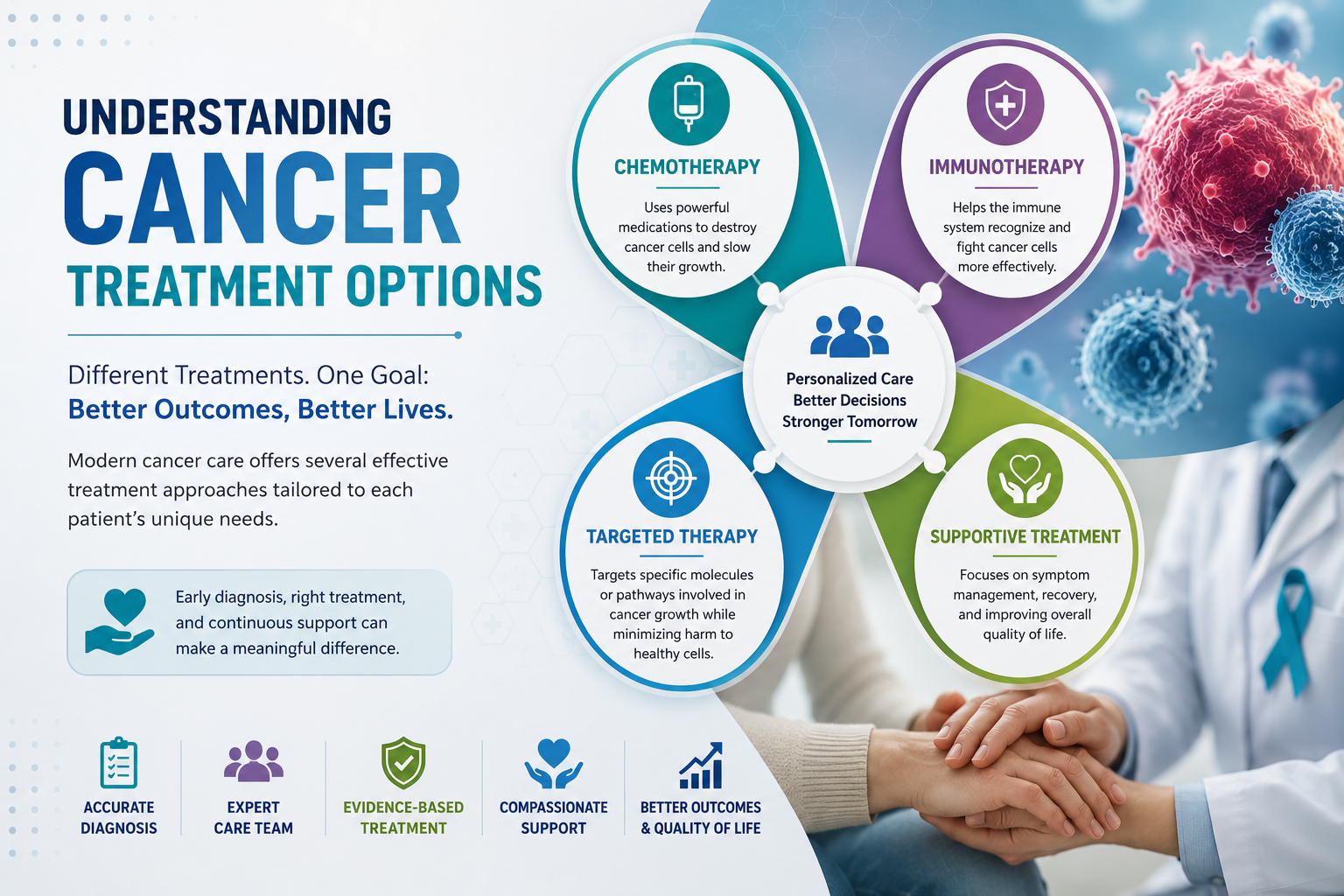
Modern cancer care often includes several treatment approaches. In some cases, patients may receive a single therapy, while others may benefit from a combination of treatments working together.
The primary types of cancer treatment include:
- Chemotherapy
- Immunotherapy
- Targeted Therapy
- Supportive Treatment
Each treatment serves a different purpose and works in a unique way.
Chemotherapy
Chemotherapy remains one of the most widely used cancer treatment options. It is designed to destroy cancer cells throughout the body and help control the growth and spread of cancer.
The primary goal of chemotherapy is to eliminate cancer cells and reduce their ability to survive and multiply. Depending on the treatment plan, chemotherapy may be used alone or alongside other therapies.
How Chemotherapy Is Given
Chemotherapy can be administered in different ways, including:
Intravenous Chemotherapy
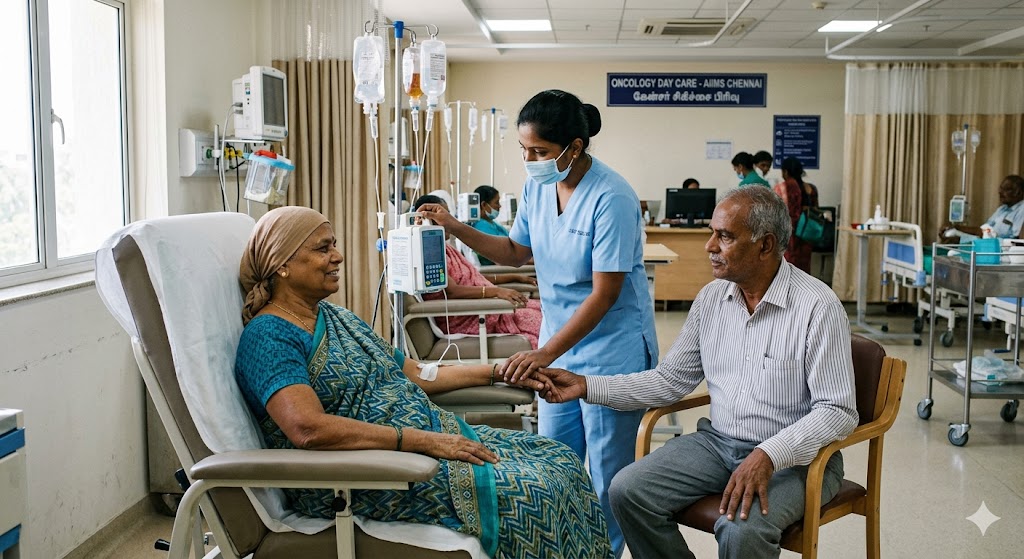
One of the most common methods involves delivering chemotherapy directly into the bloodstream through an intravenous (IV) line. This allows the medication to circulate throughout the body and reach cancer cells wherever they may be located.
Oral Chemotherapy
Some chemotherapy treatments are available in tablet form. These medications can be taken orally according to a specific schedule provided by the healthcare team.
The method of administration depends on the treatment protocol, the patient's condition, and the type of medication being used.
Goals of Chemotherapy
Chemotherapy is primarily used to:
- Destroy cancer cells
- Reduce the number of cancer cells in the body
- Slow disease progression
- Support overall cancer management strategies
Because chemotherapy affects rapidly dividing cells, patients may experience side effects during treatment. This is why regular assessments and monitoring are an important part of the treatment process.
Immunotherapy
Immunotherapy is a modern cancer treatment approach that works differently from chemotherapy. Rather than directly attacking cancer cells, immunotherapy uses the body's own immune system to help recognize and attack unwanted cancer cells.
The immune system plays an important role in protecting the body. However, cancer cells can sometimes avoid detection. Immunotherapy aims to strengthen or support the body's natural defense mechanisms so that the immune system can better identify and respond to cancer cells.
How Immunotherapy Works
Unlike treatments that broadly affect cells throughout the body, immunotherapy focuses on helping the immune system perform its natural function more effectively.
The goal is not to completely deplete the immune system. Instead, immunotherapy helps the body's defense system target what should not be present while preserving its essential protective functions.
Benefits of Immunotherapy
Potential benefits may include:
- Supporting the body's natural immune response
- Helping identify and attack cancer cells
- Providing an alternative treatment approach for certain patients
- Working alongside other cancer therapies when appropriate
Because every patient responds differently, healthcare specialists evaluate whether immunotherapy is suitable based on individual clinical circumstances.
Targeted Therapy
Targeted therapy represents another important advancement in cancer treatment. This treatment is specifically designed to target certain cells within the body and interfere with processes that allow cancer cells to grow and progress.
Unlike broader treatment approaches, targeted therapy focuses on particular cellular mechanisms involved in cancer development.
How Targeted Therapy Works
Targeted treatment is used to block cancer cells from progressing. By focusing on specific cells and pathways, this treatment aims to interrupt the processes that help cancer cells survive and spread.
The targeted nature of this therapy allows healthcare teams to approach cancer treatment in a more precise manner.
Goals of Targeted Therapy
Targeted therapy is commonly used to:
- Block cancer cell progression
- Slow disease development
- Interfere with cancer growth mechanisms
- Support broader treatment strategies
Healthcare specialists determine whether targeted therapy is appropriate based on established treatment protocols and clinical evaluations.
Supportive Treatment
Cancer treatment often involves more than therapies designed to fight cancer cells directly. Supportive treatment plays an essential role in helping patients manage their overall health and well-being throughout treatment.
Supportive treatments are commonly provided alongside chemotherapy, immunotherapy, targeted therapy, or other cancer therapies.
Purpose of Supportive Treatment
The primary goal of supportive treatment is to help patients cope with challenges that may arise during their treatment journey.
Supportive care may focus on:
- Monitoring patient well-being
- Managing treatment-related concerns
- Addressing symptoms and side effects
- Supporting overall comfort and quality of life
This type of care is an important part of comprehensive cancer management.
The Importance of Treatment Protocols
Every cancer treatment is delivered according to a specific protocol or treatment regimen. These plans are carefully designed by healthcare professionals to ensure consistency, safety, and effectiveness.
A treatment protocol may include:
- The type of therapy being used
- Treatment schedules
- Monitoring requirements
- Assessment timelines
- Follow-up plans
Before treatment begins, patients typically discuss these details with their healthcare team during clinic appointments. This helps ensure that they understand what to expect throughout the treatment process.
Ongoing Assessments During Treatment
Regular assessments are a key component of cancer care. Monitoring allows healthcare teams to evaluate how patients are responding to treatment and identify any challenges they may be experiencing.
Each visit provides an opportunity to discuss:
- Overall treatment progress
- Physical well-being
- Concerns related to treatment
- Potential side effects
- Any difficulties affecting daily life
Open communication between patients and healthcare providers helps ensure that treatment remains aligned with the patient's needs.
Reporting Side Effects and Treatment Challenges
Patients are encouraged to share any symptoms, side effects, or difficulties they experience during treatment.
Cancer therapies can affect individuals differently, which is why healthcare teams rely on ongoing feedback from patients. Early communication allows concerns to be addressed promptly and helps ensure appropriate support is provided.
Patients should never hesitate to discuss:
- Physical discomfort
- Changes in daily functioning
- New symptoms
- Emotional concerns
- Questions about treatment
Effective cancer care depends on collaboration between patients and their healthcare team.
Choosing the Right Treatment Approach
Selecting the most appropriate cancer treatment involves careful medical evaluation. Treatment decisions are based on multiple factors, and recommendations are made according to established clinical protocols.
Some patients may receive a single treatment type, while others may benefit from a combination of therapies. The goal is always to create a treatment strategy that aligns with the patient's condition and treatment objectives.
Understanding available treatment options helps patients participate more confidently in conversations about their care.
How BigHope Medicare Supports Patients
Finding the right treatment pathway can be challenging, especially when multiple treatment options are available. BigHope Medicare helps patients navigate this process by providing trusted healthcare guidance and connecting them with experienced medical specialists.
For patients looking for reliable and affordable healthcare support in India, our platform also highlights trusted treatment solutions through [Big HopeMedicare - Affordable Medical Treatment in India] to make care more accessible and transparent.
Our care team supports patients by:
Understanding each medical case in detail
Connecting patients with relevant specialists
Explaining treatment options clearly
Assisting with appointment coordination
Providing transparent treatment guidance
Supporting patients throughout their healthcare journey
Through our verified multi-specialty hospital network in Delhi, we help patients access expert consultations and informed treatment decisions while ensuring they receive compassionate support at every stage.
Conclusion
Cancer treatment has advanced significantly, offering patients several therapeutic options including chemotherapy, immunotherapy, targeted therapy, and supportive treatment. Each approach works differently and plays an important role in comprehensive cancer care.
Because every patient's situation is unique, treatment decisions are based on carefully developed protocols and ongoing clinical assessments. Open communication with healthcare professionals and regular monitoring help ensure the best possible treatment experience.
Understanding the various types of cancer treatment can empower patients and families to make informed decisions and approach their treatment journey with greater confidence. With the right guidance, expert consultation, and access to appropriate medical care, patients can navigate cancer treatment with clarity and support every step of the way.
Frequently Asked Questions (FAQs)
1. What are the main types of cancer treatment?
Answer:
The main types of cancer treatment include chemotherapy, immunotherapy, targeted therapy, and supportive care. These treatments may be used alone or in combination depending on the patient’s condition. Each approach works differently, either by destroying cancer cells, boosting immunity, blocking cancer growth signals, or improving overall comfort and quality of life.
2. How does chemotherapy work in cancer treatment?
Answer:
Chemotherapy works by using powerful medicines to destroy rapidly growing cancer cells throughout the body. It can be given intravenously or in oral tablet form, depending on the treatment plan. The main goal is to kill cancer cells, slow disease progression, and reduce tumor growth under strict medical supervision and regular monitoring.
3. What is the difference between immunotherapy and chemotherapy?
Answer:
Chemotherapy directly targets and kills cancer cells, while immunotherapy helps strengthen the body’s immune system to recognize and fight cancer naturally. Unlike chemotherapy, immunotherapy does not directly destroy cells but supports immune response. Both treatments are selected based on cancer type, stage, and patient health condition for effective management.
4. What is targeted therapy in cancer treatment?
Answer:
Targeted therapy is a modern cancer treatment that focuses on specific genes, proteins, or pathways responsible for cancer growth. It works by blocking signals that allow cancer cells to multiply and spread. This precise approach helps slow disease progression while minimizing damage to healthy cells compared to traditional treatment methods.
5. What is the role of supportive treatment in cancer care?
Answer:
Supportive treatment plays an important role in improving patient comfort during cancer therapy. It helps manage side effects, reduce symptoms, and maintain overall well-being. It is often used alongside chemotherapy, immunotherapy, or targeted therapy to ensure patients receive complete care and better quality of life throughout their treatment journey.